In support of her third album “Radical Optimism”, Dua Lipa embarked on a press tour listing the likes of Massive Attack, The Chemical Brothers, and Primal Scream as core inspirations for said album. She promised the record to come would be an exploration of 90s British electronica, leading many to anticipate the musical tsunami heading our way. Unfortunately, the album turned out to be void of prior statements - but it’s fun to think about what could’ve been.
Electronica in pop isn’t unheard of. In fact, if we refrain for a second and take pop music at face value - simply meaning ‘popular’ - a lot can fit the bill. Take Chop Suey’s “System of a Down” for instance, a pretty inaccessible track, yet it performed incredibly across the world. But obviously, pop music usually refers to catchy melodies and digestible structures, typically serenaded by a marketable star.

Perhaps we can thank Björk for introducing electronica into the pop sphere. While the Icelandic prodigy doesn’t necessarily classify as a popstar, her ‘90s output like “Debut”, “Post”, and “Homogenic” all broke into mainstream UK charts. Her cover of Betty Hutton’s 1951 track “It’s Oh so Quiet” is hardly something you’d expect to have been playing on radios worldwide - but remains her most successful single to date, peaking at #4 in the United Kingdom. Beloved aussie Kylie Minogue also made an attempt in the ‘90s with “Impossible Princess”, but this wouldn’t receive love from the contemporary public.
Minogue went on to dominate charts worldwide, but abandoned the musical style entirely. As for Björk, she never became a traditional popstar - and only enjoyed moderate commercial success across the pond. However, one artist was watching closely, and would go on to snatch Nellee Hooper (producer for Björk, Massive Attack) for her next record. That artist was none other than Madonna - who’d end up exploring a few elements of electronica on her ‘94 record “Bedtime Stories” - in fact, the title track was actually written by Björk! Iceland’s princess said at the time: “She asked my friend [Nellee Hooper] for a song. No offence to Madonna, but I did it as a present to my friend.”
The next year, in 1995, Madonna collaborated with Massive Attack on a spectacular cover of Marvin Gaye’s “I Want You.” Madonna and Massive Attack’s story didn’t end just there - but more on that later! The track performed moderately, but became a cult classic amongst fans - and was accompanied by a noir video directed by Earle Sebastian. But soon, Madonna went on to film “Evita”, and wouldn’t release another album until ‘98. She released a little record called “Ray of Light”, not sure if you’ve heard of it.
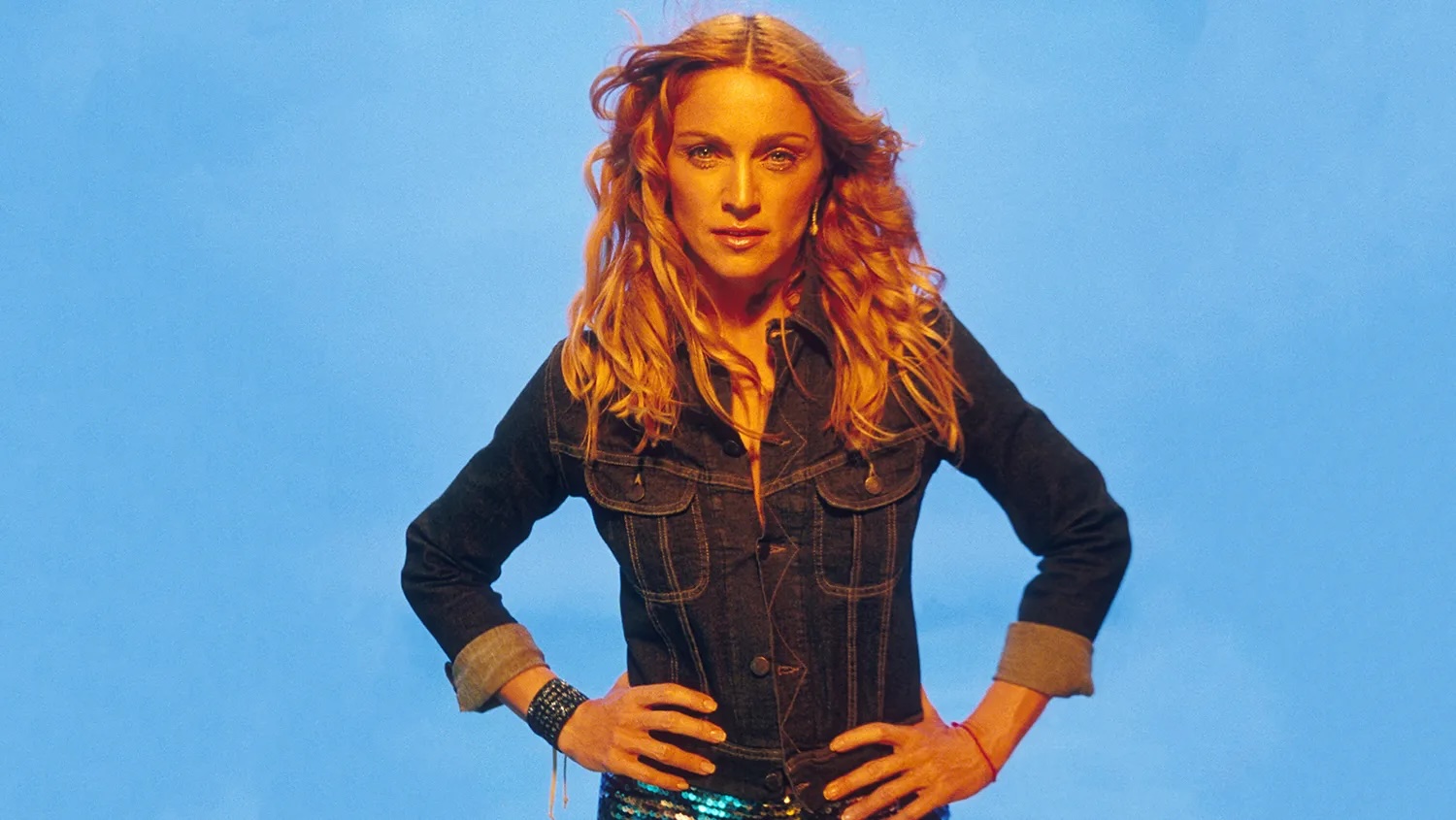
“Ray of Light” is widely considered to be Madonna’s magnum opus, an electronica record crafted with sonic aficionado William Orbit - who at the time, was a young producer from London. Not only was the record widely experimental in its approach: 5-6 minute songs, elements of trip-hop, techno, acid, and trance - it was also immensely successful. It became the biggest sales week for a female artist in the Nielsen Sound Scan era, and sold 3 million copies worldwide in just five days.
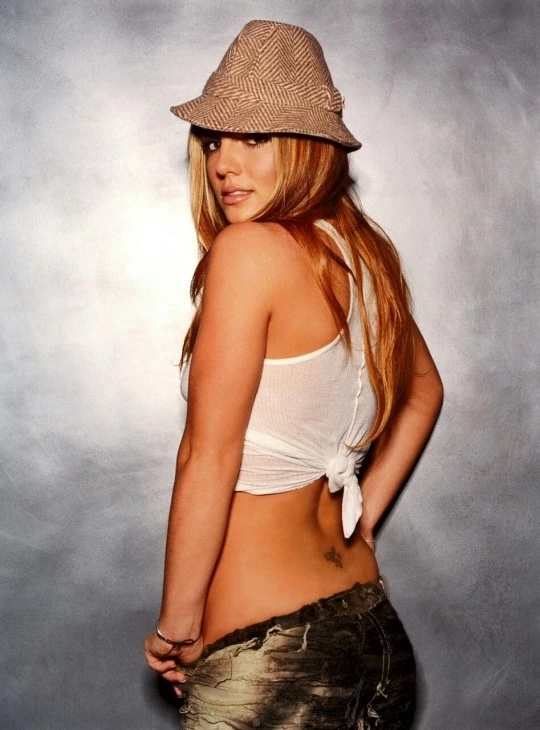
The record introduced electronica music to the mainstream, with several artists rushing to recreate the distinct sound. In no time, from All Saints to Britney to Mel C, everybody was releasing electronica inspired tracks.

It was a triple axel: experimental production, critical acclaim and commercial success, and practically mended Madonna’s reputation overnight - which had still been suffering as a result of the “Sex” book. And remember Massive Attack? Madonna was actually set to perform vocals on their colossal hit “Teardrop”, which came out a few months later, but was eclipsed by Elizabeth Frazer as a result of a group vote between members. A few fans have actually used AI to generate what the track could’ve sounded like… Massive Attack probably made the right decision.
Poptronica didn’t last all that long, though. EDM hijacked the pop sphere, and by the 2010s, Madonna herself seemed frazzled on how to assimilate. Trap-pop took over the late 2010s, then indie-pop was the hot new thing (thanks Billie Eilish.) It seemed Poptronica had completely died out. But miraculously, the 2020s saw a brief rebirth - by way of artists like FKA twigs, Addison Rae and Jade.
The most glaringly obvious interpretation would go to FKA twigs’ “Eusexua”, which actually featured production from Marius de Vries, a producer on “ROL.” The record is tinged with the same infectious electronic downtempo sounds of its predecessor: Take “Girl Feels Good” for instance, which sounds exactly like a William Orbit track. While Addison Rae’s self-titled debut was less of a facsimile, production on tracks like “Aquamarine” and “Headphones On” are still heavy callbacks to the era - an electronica style sway throughout both. Even Jade of Little Mix, (who actually covered “Frozen”), embraced Madonna’s ‘90s output as a major inspiration for her debut album.
So what does this mean? Well, not that much. Ultimately, trends are sure to have an expiration date. Poptronica didn’t last all that long, but gave us a catalogue of some great pop music to listen to. If only Dua Lipa could have carried the torch - we trusted you!