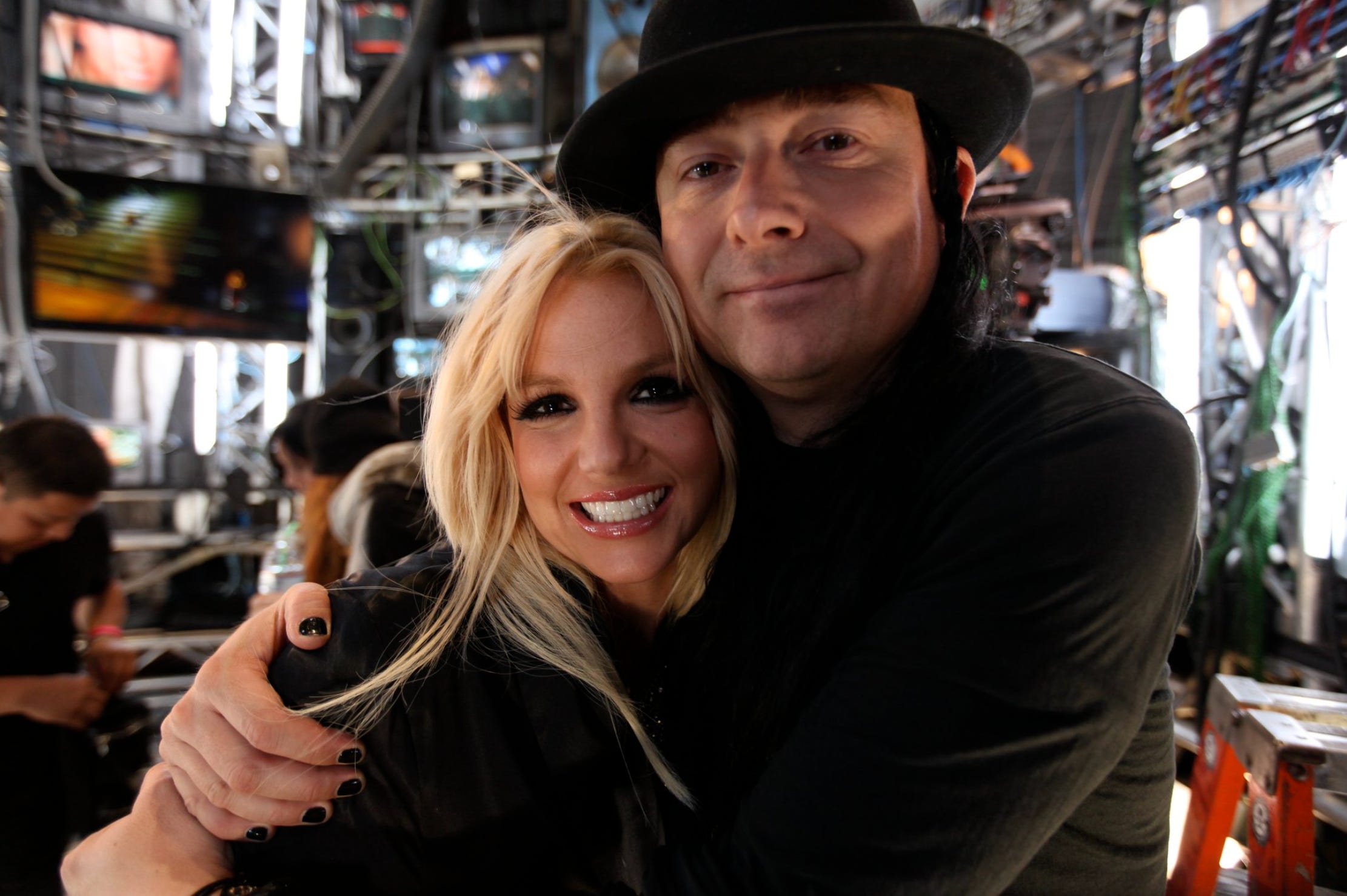
R: Hi Jonas, your "Billy Idol Should be Dead" documentary came out a few months ago, how's that been?
J: Pretty good! How are you?
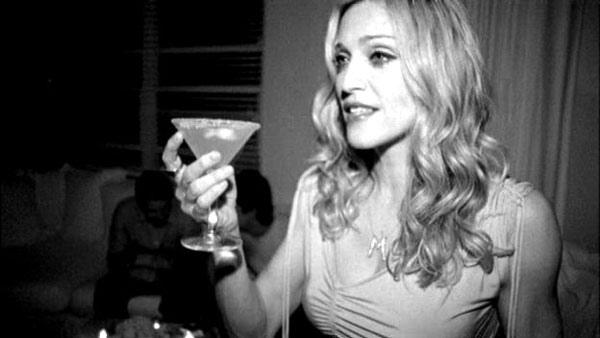
R: I'm good. It made me think about the celebrity tour and documentary trend we're seeing, which you popularised in 2005 with Madonna's "I'm Going to Tell You a Secret."
J: These things seem to come in and out of fashion. Now, it seems any artist over 60 feels like they need one! You've got to balance it - if your artist is still alive, you can't just tell the story, you've got to understand what the artist wants to say, and how they want to be portraited. It's really hard to make them, actually.
R: Do you think music videos have died off?
J: I don't think so. For me, they have. But not for the young artists and directors. I think it's a great format. It's one of the most free forms of filmmaking we have. Music videos are still a platform where you can actually have fun, and people encourage you to do crazy shit, which nobody does later in life.
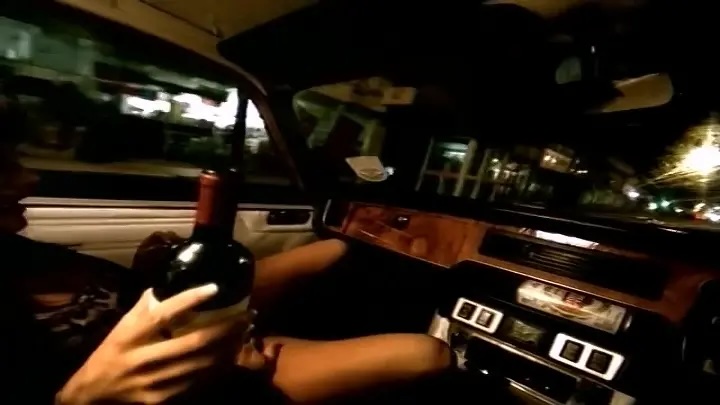
R: When you say 'crazy' I think of The Prodigy's "Smack My Bitch Up" video that you did. Do you remember what the process of that was like?
J: I do remember. Weirdly enough, I live just around the corner from where I shot it. I just walked by, because I'm here in Soho.
R: You shot it in Soho?
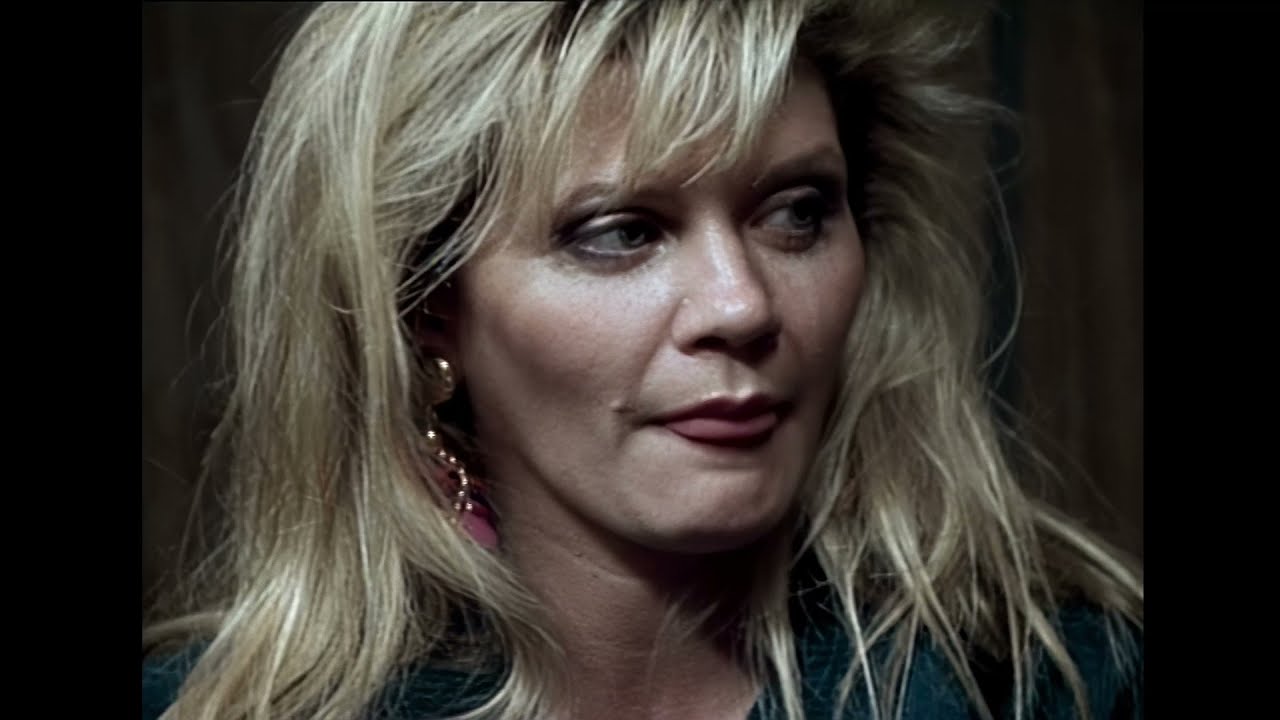
J: Shot it in Soho, back in the day when Soho was mostly strip clubs and peep shows and bars. It was also before we even thought about permits and stuff, we just did it. It was amazing to work outside Sweden because up to that point, I had only done Scandinavian stuff. I was writing the idea based on a party night that I had in Copenhagen, thinking that it was a comedy - people are gonna think it was fun. My friends and I were laughing about it, but then when it got released I realised it was serious. People are really upset about this! It became a massive thing in America and brought me to more stuff outside Sweden and it caught Madonna's attention - and 25, 30 years later I still work with Madonna. When you've done as much as I have, you can map out which thing brought you to the next level or step, and that video was definitely one of those for me.
R: The year after, you did "Ray of Light", right?
J: I met Madonna right after, and then we worked on "Ray of Light." The way we shot that video was me and a very small crew just travelling around, setting up cameras at very low speed. So every shot took about 20 minutes to wait out. At the time I thought it was too simple. I didn't think it was much of an idea - it looked cool, the song was good, but I felt like the video was the weakest part. And it took me a few years before I realised the strength of timing and what we did, where she came from. Now I love it.
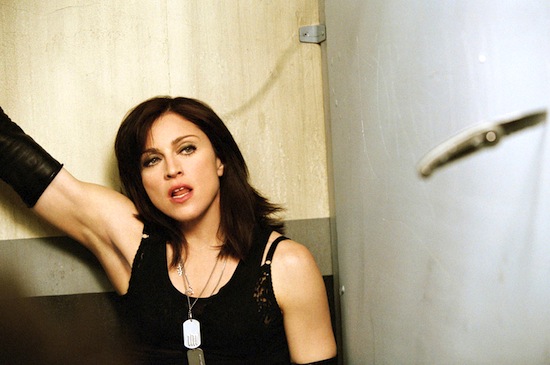
R: You've done so much with her. When you were talking about controversy, I thought of the "American Life" video. Did you know that was going to be controversial?
J: We never do, to be honest. We think we have a message and an idea, and we think people are going to agree with it - and sometimes they do and sometimes they don't. The unfortunate thing with that one is that the timing was just horrible. So we actually canned the video - she did. I remember, I was travelling between Europe and America - and when we started that idea, halfway through it, the war broke out. People were really scared, and sent their children to war. So, she canned it and we did another quick version of it. Looking at it now, it's an anti-war statement. Why not? I think it's as relevant now as it was back then. More now.
R: Do you have a favourite music video that you've worked on?
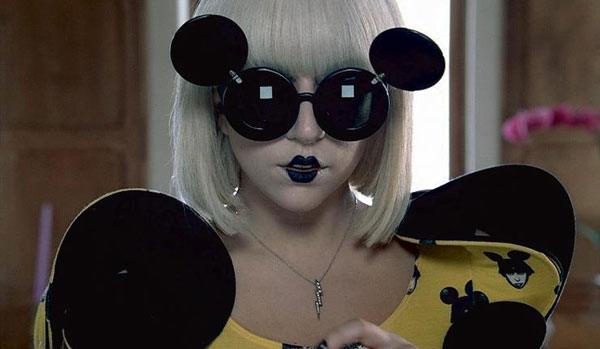
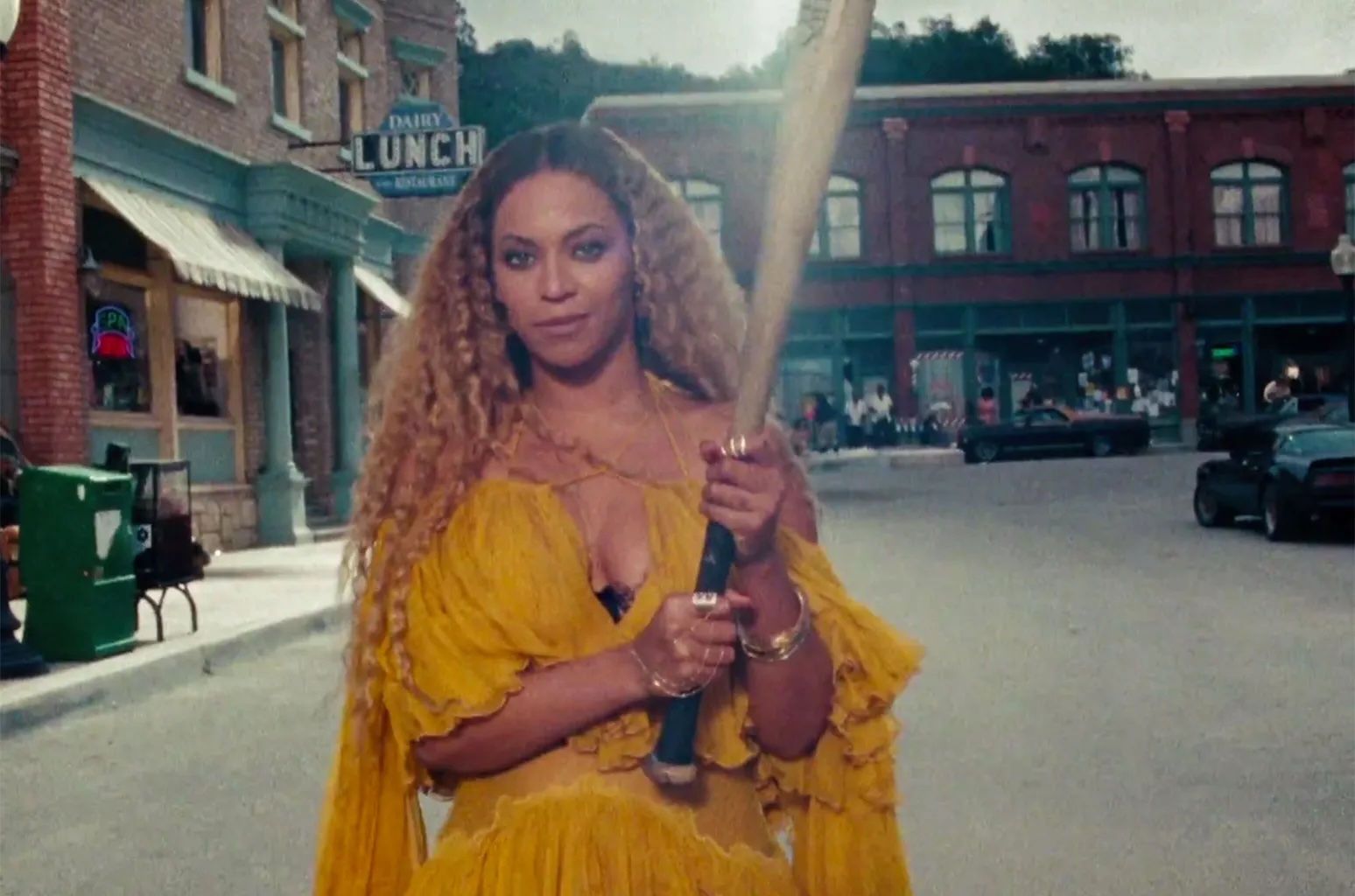
J: Here's the deal - they're never supposed to have a long life. But if you make something that's memorable and people remember it - like you, you're much younger than me, talking about "Ray of Light" - that's huge! It was never meant to be that, I love that. I'm lucky to have a few of those, because I've worked with artists who wanted to do that, and allowed me to do it. I was just about to give up on music videos when I ran into Lady Gaga, who gave me another few videos and years of being creative and having fun. I love what we did together on "Telephone" or "Paparazzi" - or all the stuff I did with Beyonce. I'm a rock and roll guy - I love the stuff I've done with Metallica. So, I wouldn't say I have a favourite, but I've had things that meant more. My 1st Metallica video, "Turn the Page" - I still think about it, it's a really strong statement.
R: Have you seen anything recently where you thought - "I wish I made that?"
J: I do all the time! [Laughs] I saw, a little later than everyone else, that movie - "I Swear."
R: Oh yes!
J: I was like, fuck, man - so good! It touched me, and it was funny in parts where it was not supposed to be funny. How often do we see films that are actually about something that makes you learn and actually feel something at the same time? Stuff like that, I'm always jealous. I know how hard it is to go into a room and say: "I'm going to make a film about a guy with Tourette's syndrome." Anything that makes you feel, or think, or wake you up a little bit - it's good.
R: You've always toed the line quite well of shock value and quality.
J: Well, that's a huge compliment. If you mean that.
R: I do!
J: I know when I try, and I know when it doesn't matter. I can make something that's just pure entertainment - I made a whole series for Netflix that was just comedy and stupid fun, which was awesome, and we need that too. But sometimes - and that's why I mentioned that Metallica video "Turn the Page" - that was the first time I did something where I got letters with people saying: "I saw this", "I can identify with this", "This saved my life", even. And I was like - whoa, shit. We're on that level with music videos.
R: Who's somebody you want to work with? Or have you worked with them all?
J: In the world of music?
R: Sure.
J: I've been so fortunate to work with Paul McCartney, and The Rolling Stones, all my heroes. I wish I worked with David Bowie, he called me a few times and I didn't. I wish that I worked with Michael Jackson, he called me a few times too, but I was always busy doing my other stuff. Though, I see new things - I don't know if you saw "Generation" by Yung Lean.
R: Yeah, I like him.
J: I go like - oh fuck! They can still make stuff that means something. I just did a video with Duran Duran, my old pals. That's kind of where I feel I belong. Metallica has been one of my all time favourite bands, I'm very proud of the documentary coming out this summer - that's really cool. To me, finding partners that makes you better, makes you think - give me freedom to write and work with actors, and so on - that's what I want to do now.
R: So who's your longest creative relationship with? Madonna?
J: I would say so. I had a very long run with the Roxettes, the Swedish band - she and I are still very close friends. Metallica too. But Madonna is probably the one. I don't think there's a year I didn't work with her in some capacity.
R: To end off: What's one thing you want to happen in the world before 2027?
J: End the wars. It's scary all around the world. I just wish we didn't have to live in fear, because we kind of do. I try not to, but I do. End the fear - and bullets, I hate bullets.